
The Pulse of the Capital of Afghanistan , News for the Afghan Nation
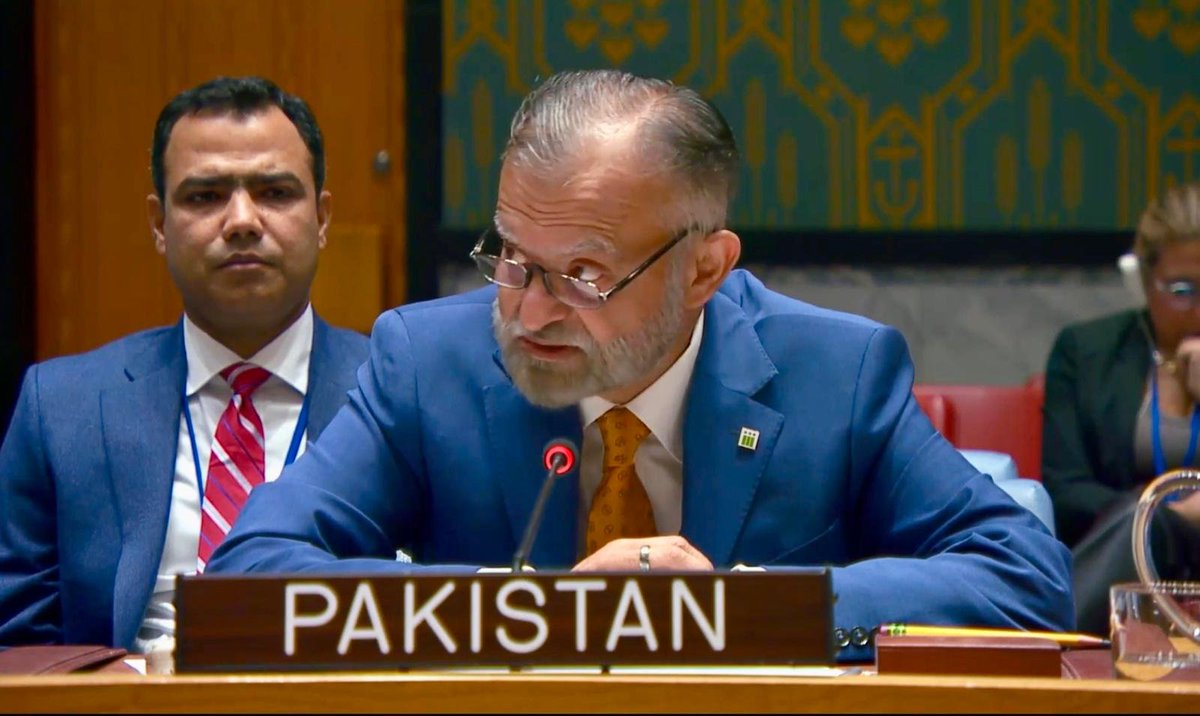
"Statement by Ambassador Nabeel Munir,Acting Foreign Secretary, Ministry of Foreign Affairs,At the UN Security Council Briefing by the UN High Commissioner for Refugees*(25 September 2026)************Mr. President,I thank the High Commissioner for Refugees, Mr. Barham Salih, for his comprehensive briefing. We commend UNHCR and its personnel for protecting and assisting displaced populations, often in extremely difficult circumstances. 2. As the High Commissioner just said, the global displacement crisis remains staggering. Millions remain uprooted from their homes and communities, forced to flee from conflict, persecution, foreign occupation, instability and deprivation. Protracted crises continue to generate displacement, even as new humanitarian emergencies emerge.3. Yet, as displacement increases, international solidarity is under strain. Humanitarian resources are declining, resettlement opportunities remain inadequate, and countries neighbouring conflict zones continue to shoulder disproportionate responsibility.4. Pakistan knows this reality first-hand. For more than four decades, we have hosted millions of Afghans, extending protection and hospitality despite considerable economic and security challenges. Our experience demonstrates both the importance of international solidarity, and the limits of expecting host countries to carry protracted refugee situations indefinitely. We therefore emphasize four priorities.First, we must address the root causes of displacement. Conflict prevention and resolution must be at the centre of the Security Councils work. The Council must act to prevent new conflicts, resolve protracted disputes, and promote mediation and the peaceful settlement of disputes in accordance with the UN Charter and international law. Humanitarian action can mitigate the consequences of conflict; but only political solutions can sustainably prevent displacement.Second, equitable burden- and responsibility-sharing must be operationalized. Refugee-hosting countries require timely, adequate, and predictable international assistance. Such support should strengthen healthcare, education, livelihoods and infrastructure for refugees and host communities alike, and should be provided primarily through grants rather than loans that compound the fiscal pressures on host countries.Third, resettlement must become more predictable and credible. Developed countries should establish multi-year resettlement programmes with clear commitments, accelerate processing, and honour pledges already made. Legal and complementary pathways, including family reunification, education and labour mobility, should also be expanded.Finally, voluntary repatriation and sustainable reintegration must receive greater international support. Return must be voluntary, safe, and dignified, and backed by adequately funded programmes. Enhanced development assistance and investment in housing, livelihoods, healthcare, education and essential infrastructure in countries of origin are indispensable to ensuring that return is sustainable.Mr. President,5.Ultimately, the measure of our collective response must go beyond how effectively we manage displacement to whether we can help bring it to an end. Our shared objective must be a world where fewer people are forced to flee, and where those displaced can return home in safety, dignity and peace.I thank you*********"
In a recent briefing at the UN Security Council, Ambassador Nabeel Munir emphasized Pakistan's long-standing commitment to hosting Afghan refugees, highlighting the urgent need for international solidarity in addressing global displacement issues. The statement coincides with a poignant reminder from UN High Commissioner for Refugees, Mr. Barham Salih, regarding the staggering reality of the refugee crisis that continues to affect millions worldwide.
With conflicts, persecution, and instability driving unprecedented numbers of people from their homes, the humanitarian landscape has become increasingly dire. Ambassador Munir articulated Pakistan's experience in managing one of the longest-standing refugee crises, underscoring both the responsibility borne by hosting nations and the growing strain on international resources. He called for a concerted effort to address root causes of displacement by emphasizing conflict prevention and resolution as central tenets of global diplomacy.
Pakistan's call to action resonates with the broader international community, which must operationalize equitable burden-sharing to support countries hosting displaced populations. The ambassador highlighted the necessity of predictable and adequate financial assistance to bolster healthcare, education, and infrastructure for both refugees and host communities. Moreover, he urged developed countries to establish reliable resettlement programs that offer clear commitments and accelerate processing for refugees seeking new beginnings.
As the conversation around global displacement continues, Pakistan emphasizes the critical need for voluntary repatriation that is safe, dignified, and supported by substantial international funding. Reintegration into home countries must be ensured through enhanced development assistance, focusing on essential infrastructure and services. Ultimately, the collective goal must evolve; moving beyond managing displacement towards creating environments where fewer individuals are coerced into fleeing, allowing for a future where displaced persons can return home.


No comments yet. Be the first to comment!